
Frontier AI Just Became a Government-Gated Product
GPT-5.6 shipped behind a federal vetting wall — and every AI builder needs a routing strategy, not a vendor strategy.
Frontier AI Just Became a Government-Gated Product
Last Friday, OpenAI quietly released GPT-5.6. Three variants — Sol, Terra, Luna. Sun, earth, moon. By OpenAI’s own positioning, Sol is the most capable model they’ve shipped.
But the rollout broke the pattern. Normally you pay for ChatGPT Plus and you have the model that afternoon. Not this time. General availability got pushed back weeks. Right now, only a small set of “trusted partners” can touch Sol. And the list isn’t OpenAI’s call. It’s the US federal government’s. Each customer is getting vetted, one at a time, by a federal authority before they get access.
That’s not a launch delay. That’s a different category of product.
The Real Story Isn’t GPT-5.6 — It’s the Wall Around It
For three years, AI distribution looked like SaaS. Model ships, API opens, your card clears, you’re in. Capacity was the bottleneck, not permission. That era is ending in plain view, and a lot of builders are missing it because the headline says “new model,” not “new gatekeeper.”
Three things changed at once, and they only make sense together: Executive Order 14409, a classified NSA benchmark, and per-customer federal review. Alone, they’re footnotes. Together, they rewrite how frontier AI reaches you.
If you ship a product on a frontier model — fraud at Stripe, moderation at Discord, recommendations at Shopify — this just moved onto your roadmap. Not later. Now.
Variable One: Executive Order 14409

President Trump signed EO 14409 on June 2nd. The one-line version: the most capable models must give the federal government up to 30 days of pre-release access before public launch.
Read that again. Pre-release. Not a post-release safety review. Not a voluntary disclosure. Thirty days where the model lives inside the government before it lives for you.
Until now, labs set timing. Their evals, their launch dates, their access tiers. EO 14409 takes that month. The pre-launch window isn’t the lab’s anymore. It’s the government’s. We’re one structural step from a formal approval regime, and everyone’s pretending we aren’t because the word “approval” didn’t show up in the press release.
Variable Two: A Classified Benchmark Decides Who Qualifies
Which models actually fall under EO 14409? The weird part is the threshold. It’s set by a classified NSA benchmark. The scoring, the tasks, the cutoff — none of it is public.
If you build on these systems, this is the uncomfortable bit. There’s a line. Cross it and your provider’s model becomes a national security asset overnight. Nobody outside the program knows where that line sits. Once a model crosses it, the calendar belongs to the government, and so does the conversation about who gets in.
This isn’t an OpenAI-only story. Anthropic, Google DeepMind, xAI — and sooner than people think, the strongest open-source checkpoints — are all toeing the same line. “Frontier” stopped being a capability tier. It became a political designation.
Variable Three: Per-Customer Federal Vetting

This is the newest piece, and it hits product the hardest. Per OpenAI’s statement, GPT-5.6 preview access is being granted customer by customer, with federal authorities reviewing each one.
The old AI distribution stack:
- Lab releases model
- You sign up, get an API key, swipe a card
- You ship
The new stack adds a layer you don’t control:
- Lab releases model
- A federal authority reviews your company
- They look at your industry, geography, data flows, customers
- Maybe you get access. Maybe you don’t. Maybe later
A Plaid fraud team wanting to route high-risk transactions through Sol used to have a procurement conversation. Now there’s a federal review on top of the enterprise contract. A trust-and-safety team at Reddit hardening moderation with a top-tier model — same deal. A recommendations team at Doordash — same deal. An external variable you can’t negotiate with now sits in your decision tree.
Old World vs. New World
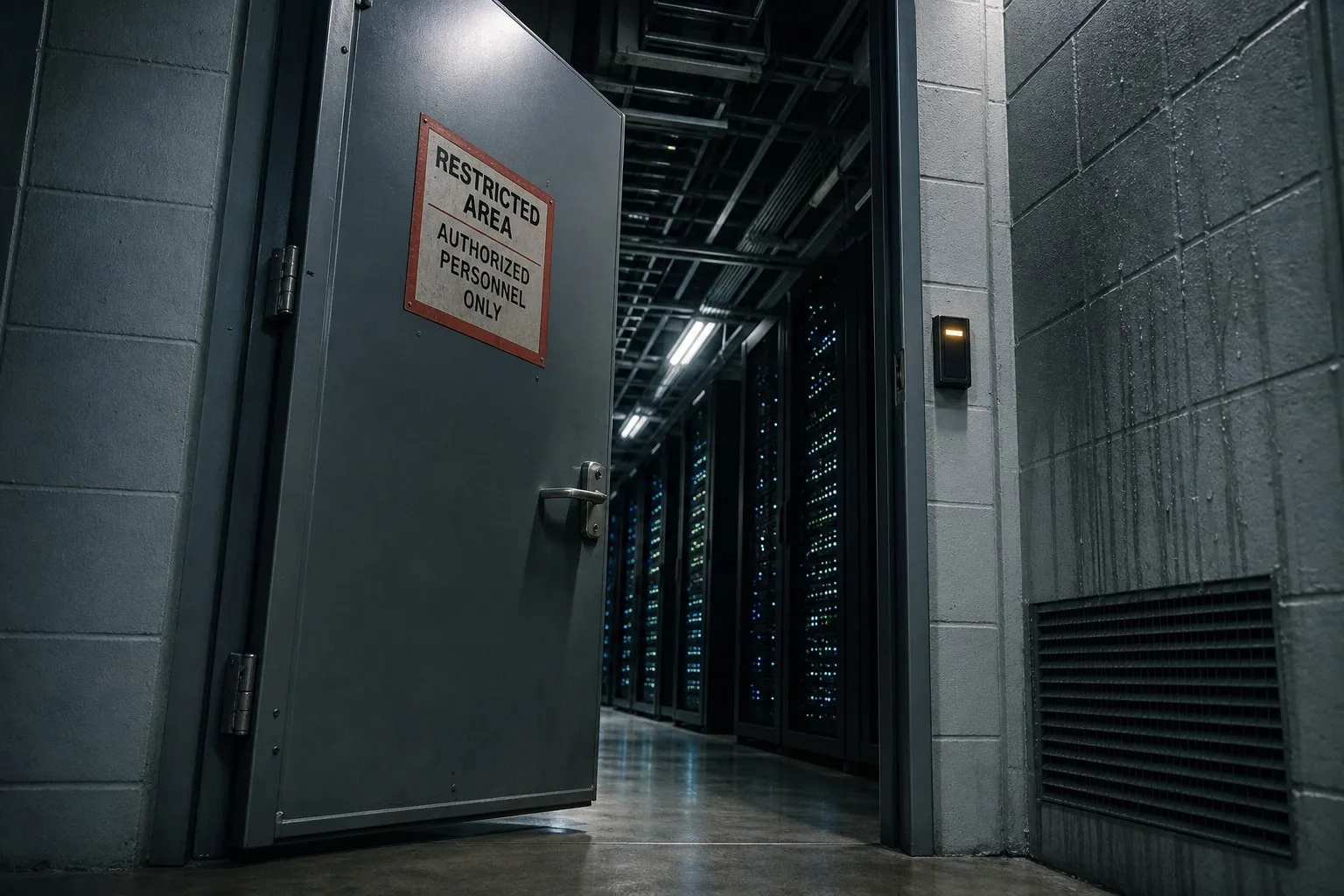
Here’s the turn in one glance:
Old world: Model release = immediate public access. Payment = permission.
New world: Model release = access for government-cleared customers only. Payment is necessary but not sufficient.
From open access to government gate. That’s the move. And once distribution shifts that way, it rarely snaps back without a much bigger fight than anyone is having right now.
Altman’s own memo nods at the discomfort. He called this “not the long-term model we prefer” and promised to look for “a more sustainable approach with government and industry.” Translation: they know the structure is awkward. They’re complying because while EO 14409 is live, there isn’t a real alternative.
What You Can Do This Week
If you ship on a frontier model, lock these in before the next release cycle. I’m running the same checklist in my own products.
-
Treat model access as a product-design variable, not a vendor choice. Don’t pin critical paths to a single top-tier model. Build a routing layer: Sol-class for the hardest jobs, Terra-class as fallback, an open-source checkpoint as the floor. This isn’t about shaving pennies. It’s about spreading political risk. The model that works today can be off-limits next quarter because of a policy you don’t control.
-
Audit which workflows actually need a frontier model. Most don’t. Sonnet-class or Haiku-class handles 70–80% of production. Isolate the segments that truly need top-tier capability, and watch policy only there. If you route everything to the priciest model, you’re building two problems at once: margin drag and policy exposure.
-
Wire policy news into your roadmap. Track how EO 14409 shifts, how your local regulators respond, and what export controls show up in the next executive action. Check it every quarter. At least. Ignore policy and you’ll wake up on a Tuesday with a blocked core feature and no fallback.
The Wall Isn’t the Risk — Building Without a Door Is
GPT-5.6 isn’t just a model update. Stack EO 14409, the NSA benchmark, and per-customer review, and you’re looking at frontier AI drifting toward an approval regime in real time. Expect more models that “launch” but stay out of reach for your use case.
The scary scenario isn’t that a wall goes up. It’s that the wall goes up while your product pretends it isn’t there. So build the door now: model routing, workflow segmentation, policy monitoring. Three habits. Start today.
Next post, I’ll break down the routing patterns I’m using inside Pante and BuildChain — how to design a fallback ladder that survives a Sol-class model going dark for 90 days. If you’re shipping AI into a regulated vertical, load that playbook before the next executive order, not after.
📺 This started as a video — watch it on YouTube: [VIDEO_URL_PLACEHOLDER]